
Description
Buy Oils (Cherry, Honey) & THC Distillate Online Canada

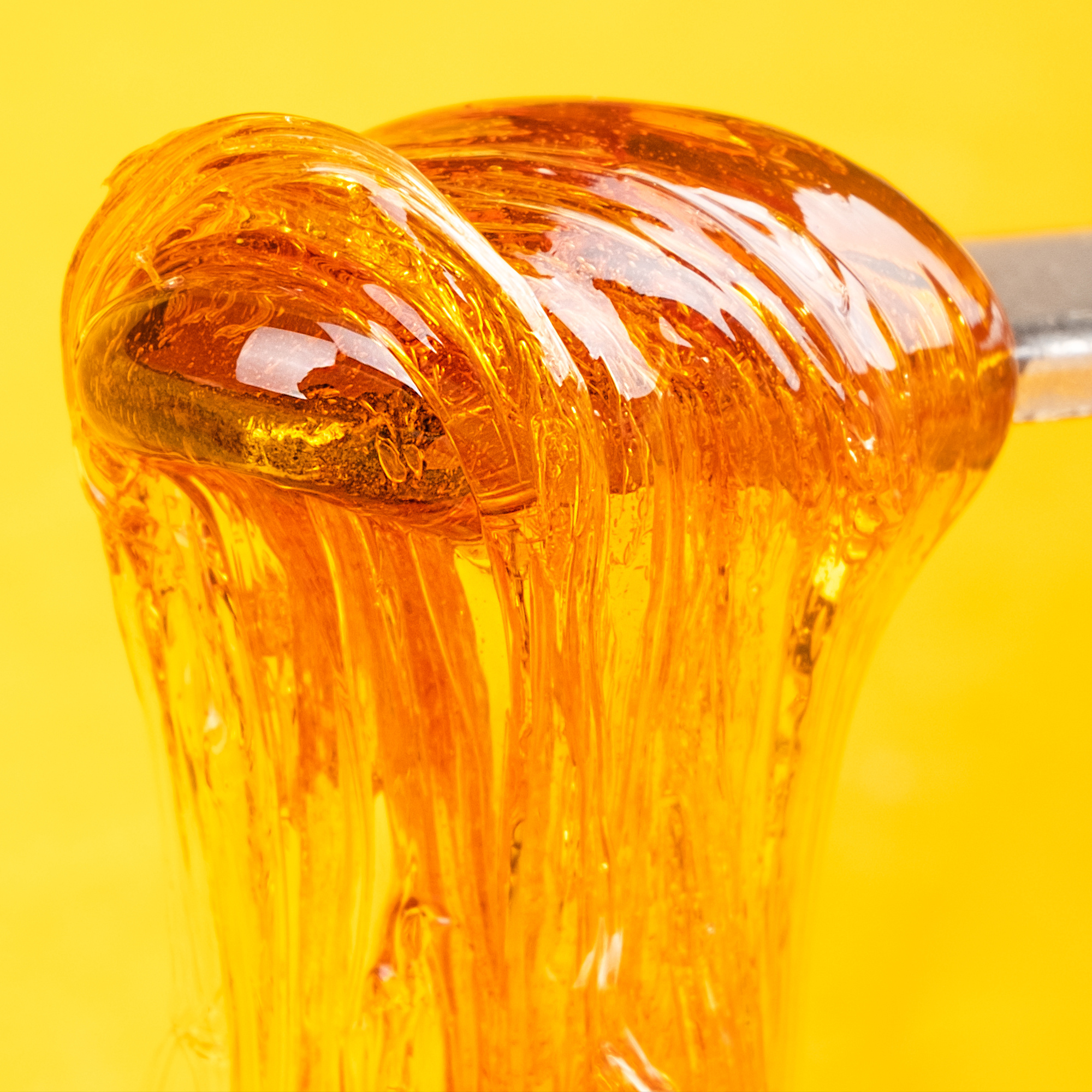
Buy Hash Oil Honey. Hash oil is know to be much more potent because it’s a concentrated form of cannabis oil. Just by taking an extremely small amount of hash oil will get you buzzed AF because hash oil contains higher amounts of THC. is also known as honey oil because of its golden colour. It can be used to make balms or edibles but hash oil can also be smoked, vaped, or dabbed.
Hash oils can be applied topically to provide relief from sore muscles and is also popularly used by patients who are suffering from serious, life-threatening conditions thanks to its medicinal value. Hash oil is effective in helping to improve moods as well as stress and pain relief.
Hash oil is known to make consumers get high very quickly, which is why it tends to be more popular with a younger crowd who want to get a buzz in a short amount of time.
Hemp oil is made by extracting oil by pressing hemp seeds. Avoid purchasing refined hemp oil, which is colourless and has no antioxidants or vitamins. Cold-pressed hemp oil is usually green in colour. Unrefined cold-pressed hemp oil has serious medicinal and health benefits particularly Omega-3 and Omega-6 fatty acids which are needed for optimum cellular health. It has no THC content and won’t get you high, although only trace amounts of it can be found in hemp oil. Hemp oil is commonly used as an ingredient in health and beauty products.

It’s also used in industrial applications such as in the manufacture of plastics, fuel, lubricants, and paint. Hemp oil burns easily so it isn’t recommended for use in cooking. However, hemp oil can be added in dishes that don’t require cooking such as salads. Because hemp oil has no and can’t get you high, it’s sold as a supplement in many
Hash oil is a concentrated cannabis extract that can be smoked, vaped, eaten, or rubbed onto the skin. It comes from cannabis plants and contains THC (delta-9-tetrahydrocannabinol), the same active ingredient as other marijuana products.
The use of hash oil is sometimes called “dabbing” or “burning.”
But hash oil is more potent, containing up to 90 percent Trust Source THC. By contrast, in other cannabis plant products, the average THC level is approximately 12 percent Trust Source.
Read on to find out more about hash oil and other marijuana concentrates, including uses, benefits, and risks.
Marijuana concentrates, including hash oil, are potent extracts from cannabis plants. The products available vary in form. The table below outlines some common forms of hash oil.
| Names | Form | Consistency | THC Level |
| batter, buder | liquid | thick, spreadable | 90 to 99 percent |
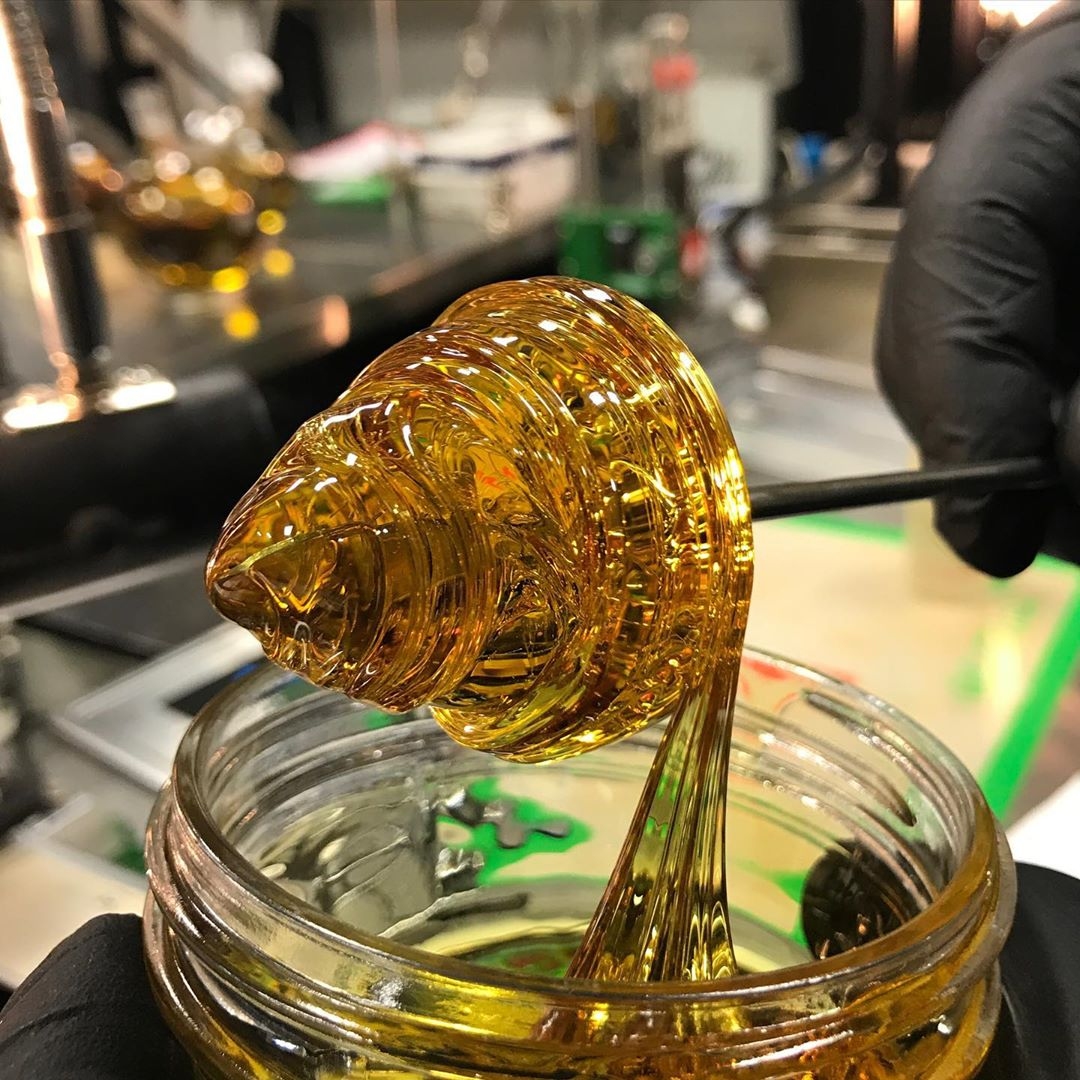
| butane hash oil (BHO), butane honey oil, honey oil | liquid | gooey | 70 to 85 percent |
| crystalline | solid | crystal | ~99 percent |
| distillate | liquid | oily | ~95 percent |
| honeycomb, crumble, crumble wax | solid | spongy | 60 to 90 percent |
| pull-and-snap | solid | taffy-like | 70 to 90 percent |
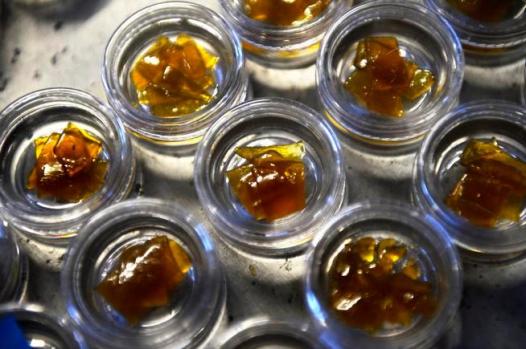
| shatter | solid | glass-like, brittle | 70 to 90 percent |
| wax, earwax | liquid | thick, sticky | 60 to 90 percent |
Most of the items listed above range in colour from golden to amber to dark brown. They may be translucent or opaque.
Due to their potency, concentrates are often sold in small quantities, and may cost more relative to other marijuana products.
The potential benefits of hash oil are similar to those associated with marijuana. Hash oil may trigger a sense of euphoria and help to treat nausea, pain, and inflammation.
Since hash oil is more potent than other forms of marijuana, its effects tend to be stronger as well. As a result, it may provide greater symptom relief for people who use marijuana to treat medical conditions, such as chronic pain or cancer.
More research is needed to understand the unique benefits of hash oil and related products.
The side effects of hash oil are similar to those associated with marijuana. However, since hash oil is more potent than marijuana plant products, the side effects may be more severe.
Short-term side effects may include:
- altered perception
- changes in mood
- impaired movement
- impaired cognition
- impaired memory
- dizziness and fainting
- anxiety and paranoia
- hallucinations
- psychosis
- cannabinoid hyperemesis syndrome (CHS)
- dependence
More research is needed to understand both the short- and long-term side effects of hash oil use.
There are a variety of ways people use hash oil.
Dabbing refers to the use of a special pipe to heat and vaporize hash oil. Sometimes called an “oil rig” or a “rig,” this apparatus consists of a water pipe with a hollow “nail” that fits into the pipe’s gauge. Alternatively, some people use a small metal plate called a “swing.”
The nail or swing is typically heated with a small blowtorch before a small amount of hash oil is applied to its surface with a dabber. With the heat, the hash oil vaporizes and is inhaled through the pipe, and it’s usually inhaled in a single breath.
This method is more dangerous than other methods because of the blowtorch, which poses a risk of burns.
Hash oil can also be smoked, vaporized, ingested, or applied to the skin.
Hash oil, and especially illegal hash oil, poses unique risks. Some of these include:
Safety. There are few studies available documenting the risks of hash oil. As a result, we don’t know for sure whether it’s actually safe to use, and if so, how often and at what dose.
Potency. Hash oil is four to five times more potent than regular marijuana. As a result, it may be more likely to cause a strong high and undesirable side effects, especially among first-time users.
Tolerance. Since hash oil contains so much THC, it could increase your tolerance to regular marijuana.
Burn risk. Dabbing involves the use of a small blowtorch. Using a blowtorch, especially when you are high, could result in burns.
Chemical impurities. Illegal hash oil is unregulated, and may contain dangerous levels of butane or other chemicals.
Lung injuries. A 2019 case studyTrust Source suggested a potential link between the use of a dabbing apparatus and lung symptoms similar to those of pneumonia.
Cancer risk. A 2017 study reported that the vapours produced by dabbing contain carcinogenic substances.


